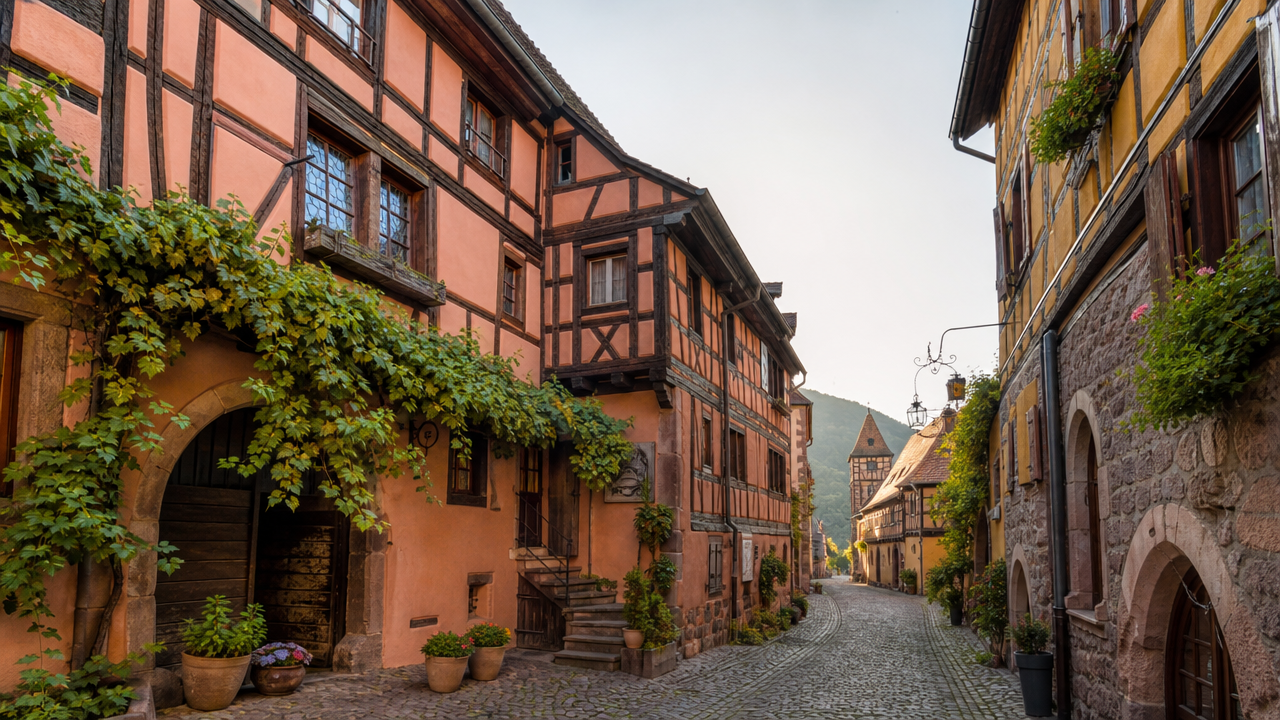
Riquewihr
Often called the pearl of the vineyards, this village is preserved within medieval walls and surrounded by world-renowned Riesling vines.
Walk the Rue du Général de Gaulle early to observe architectural details.
The Alsace Wine Route runs along the Vosges foothills as a public regional road, free to drive and signposted end to end. This page sets out what the region delivers on the ground — the landscape, the cellars, the seasonal trade-offs — and who tends to find the detour worthwhile. No gate, no ticket desk, one caveat that matters: timing.
Quick answer
For most travellers, yes — and the route itself costs nothing, since entrance is free at 0 EUR and the Route des Vins d'Alsace is a public regional road network rather than a ticketed site. Address: Route des Vins d'Alsace, Alsace, France. The qualifier is seasonal. Individual cellars, castles and museums charge separately, and summer weekends crowd the smaller villages.
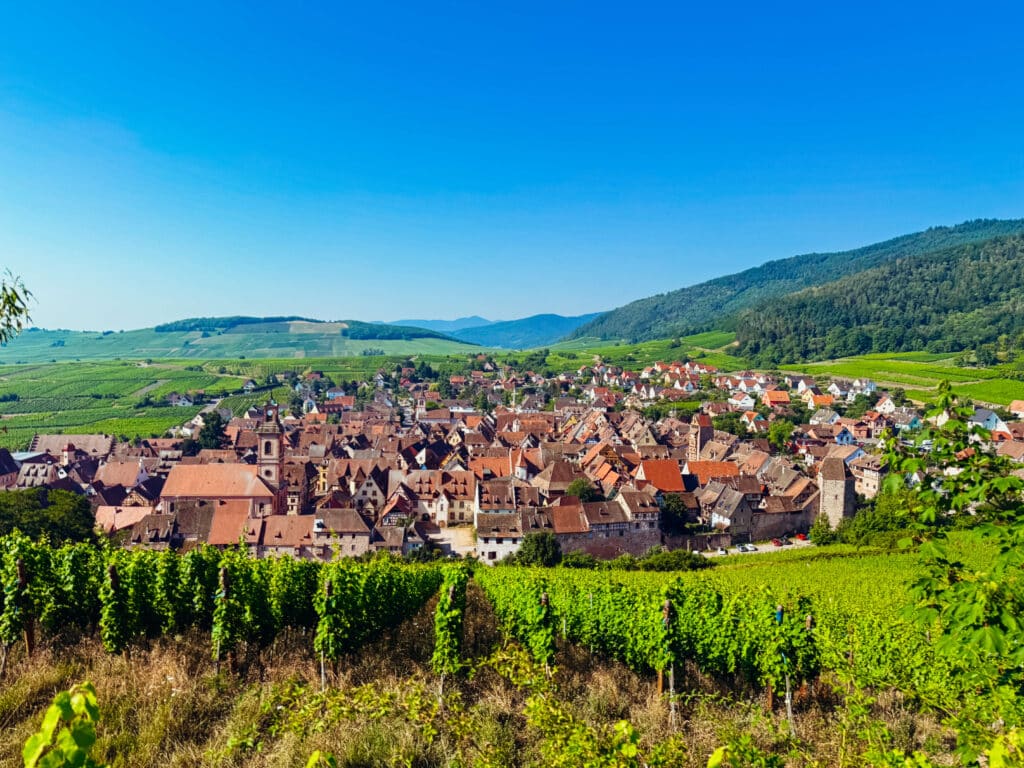
Between 1871 and 1945, Alsace changed nationality four times. That history is legible in the glass. The region bottles Riesling, Gewurztraminer, Pinot Gris and Sylvaner under French appellation law, and labels its wines by grape variety rather than by estate — a convention shared with almost no other French region. The question — is Alsace worth visiting — usually arrives from travellers weighing a detour off the Paris–Basel corridor. The honest answer turns on what a visitor wants from a vineyard landscape. The Route des Vins d'Alsace is not a monument with a gate. It is a signposted public road running roughly 170 kilometres along the eastern foothills of the Vosges, from Marlenheim in the north to Thann in the south. The mountains cast a rain shadow, which makes this one of the driest wine regions in France and explains the density of vines on the slopes. Fifty-one grands crus are delimited along the way. Between them sit walled villages of half-timbered houses — Riquewihr, Eguisheim, Ribeauvillé — where storks nest on chimneys and a winstub serves tarte flambée at long shared tables. Above Orschwiller, the sandstone bulk of Haut-Kœnigsbourg watches the plain. Comparison clarifies the appeal. Burgundy trades on scarcity and Champagne on ceremony; Alsace trades on access. Small growers open their own doors, tasting rooms sit on village streets rather than behind estate walls, and the vocabulary — dry Riesling, vendanges tardives, crémant — is easier to navigate than a Côte d'Or map of lieux-dits. The landscape reads at human scale: a village every few kilometres, vines climbing to the ridge line, forest above. An Alsace wine route tour therefore behaves less like a museum visit and more like a slow drive through working farmland. Who it suits is the practical question. Visitors who enjoy small towns, cellar tastings and short walks between vine parcels tend to leave satisfied. Those seeking nightlife, major galleries or dramatic scenery on a mountain scale will find the pace deliberate. Strasbourg and Colmar both work as bases, which is why an Alsace wine tour from Strasbourg reads well as a side trip rather than a standalone holiday. Season shapes the experience far more than cost, since the road carries no admission barrier of its own. Read the answer to is Alsace worth visiting as conditional: yes, decisively, for travellers who treat the vineyard as the destination rather than the backdrop.
“The Route des Vins d'Alsace is not a monument with a gate — it is a working landscape that happens to be signposted.”
The best arrival window is 08:30–18:00 to avoid mid-day crowds in popular villages and enjoy optimal daylight for vineyard scenery. Visiting during the spring or the autumn harvest season provides the most favorable conditions for exploring the Alsace Wine Route.
—
Arriving at 08:30 offers the quietest experience in village centers.
Mild with temperatures 10–20°C
Vines are budding and landscapes turn green during this period.
Cooler with temperatures 12–18°C
This season offers active vineyard views and steady, crisp weather.
Verdict: The best time to visit is Tuesday to Thursday, arriving at 08:30, during the months of April or October.
The Route des Vins d'Alsace stretches through eastern France, with Strasbourg serving as the primary gateway for visitors. Accessing the region is most efficient via rental car or the regional rail network connecting major vineyard hubs.
A35 motorway from Strasbourg to Colmar
TER Alsace from Strasbourg Station to Colmar
Line 68R017 from Colmar to Ribeauvillé
Renting a car at Strasbourg airport or the city center provides the flexibility to navigate the Route des Vins d'Alsace (Address: Route des Vins d'Alsace, Alsace, France) at your own pace. If relying on public transit, base your logistics in Colmar to access surrounding villages via regional bus connections.
The Alsace Wine Route spans diverse villages, each offering unique insights into the region's long-standing viticultural traditions and half-timbered architecture. Exploring these centers provides a tangible connection to the historical and agricultural landscape of eastern France.
Often called the pearl of the vineyards, this village is preserved within medieval walls and surrounded by world-renowned Riesling vines.
Walk the Rue du Général de Gaulle early to observe architectural details.
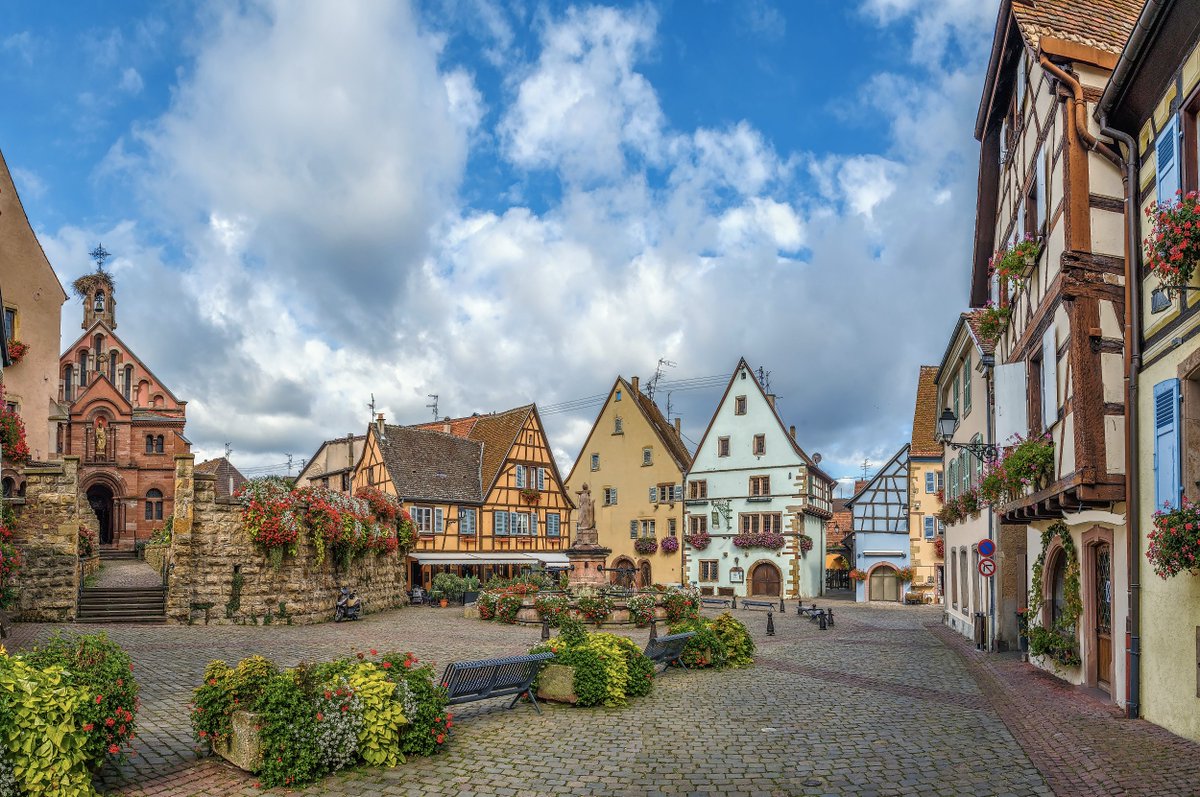
Characterized by its concentric layout, the village radiates from a central castle square through narrow, flower-lined streets.
Follow the circular rampart path to see the original village fortifications.
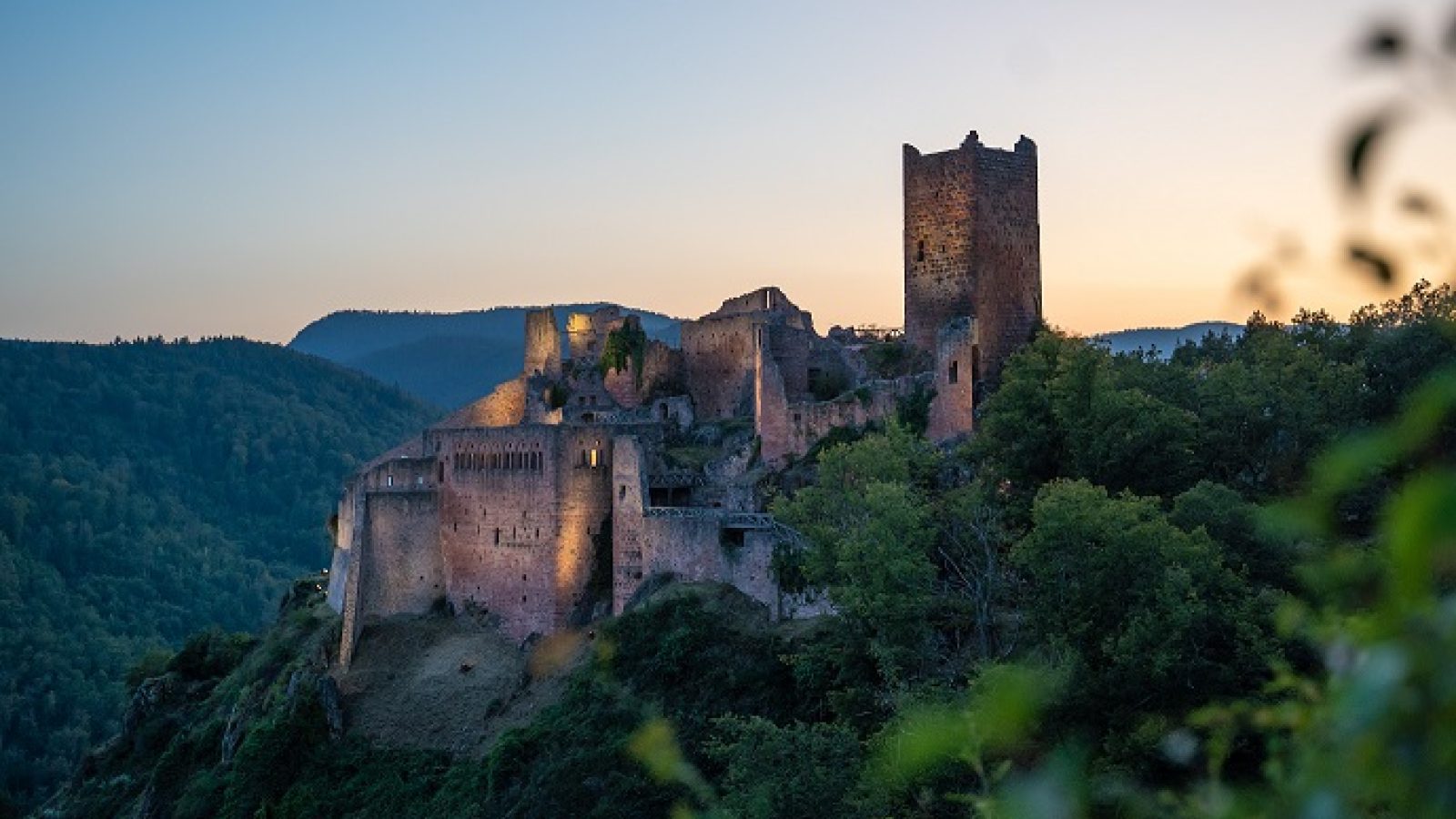
Dominated by the ruins of three castles, this town highlights the transition between medieval fortification and Renaissance wealth.
Look up toward the hills to view the ruins of Saint-Ulrich castle.
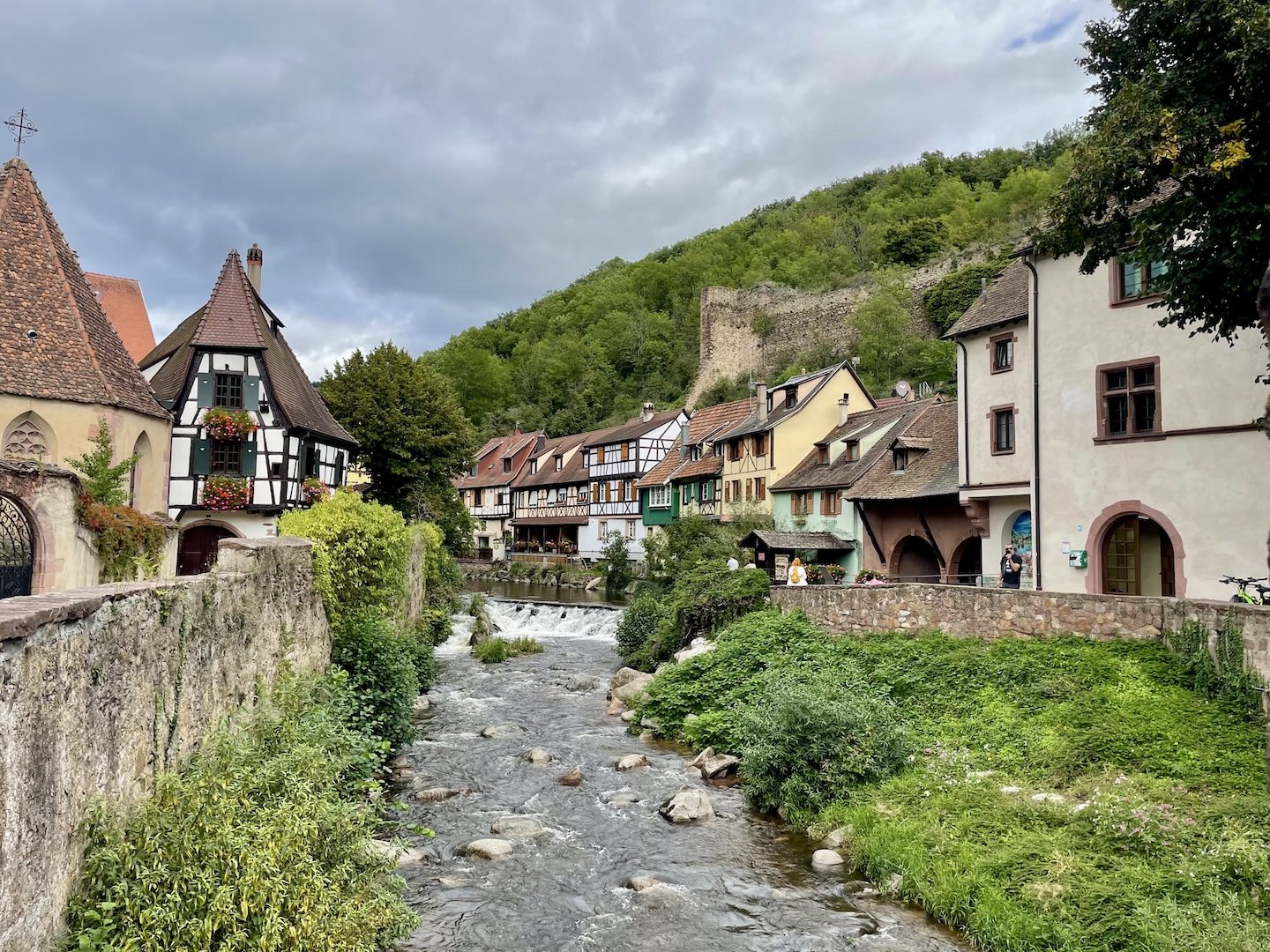
This village features a strategic position on the Weiss river, with a historic stone bridge and an imposing castle keep.
Climb the stairs to the castle tower for a regional overview.
Most disappointment on the Alsace Wine Route comes from an over-packed itinerary rather than the villages themselves. The route runs about 170 km through narrow vineyard lanes, and the driving time between stops is consistently underestimated.
Planning six or more villages in a single day
Limit yourself to two or three villages, ideally within 15 km of each other, such as Riquewihr, Ribeauvillé and Hunawihr. Each village needs 90 minutes minimum to be worth the stop.
Using motorway speeds to estimate driving times
Budget 25-35 minutes between neighbouring villages, not the 10 minutes a map suggests. The D35 is a single-lane road with tractors, cyclists and 30 km/h village limits.
Assuming a gate, ticket desk or fixed entrance exists
Entry is free at 0 EUR because the route is a public regional road network; there is no entrance to find. Pick a village to start from instead of searching for an official gateway.
Arriving without booking a cellar tasting in advance
Contact winemakers directly a few days ahead, as many family estates receive visitors by appointment only and close over lunch.
Parking inside historic village centres
Use the signposted lots on the village edge, which are usually a 3-5 minute walk from the centre. Most old cores are pedestrianised or too narrow for a car.
Treating the route as a drive-through photo stop
Walk at least one village on foot and one vineyard trail. Between 08:30 and 18:00 you get full daylight on the slopes and can avoid the mid-day crush in the best-known villages.
The Alsace Wine Route hosts several recurring seasonal events that highlight the regional viticultural heritage. Planning your visit around these dates can provide deeper access to local producers, though they often coincide with higher visitor density.
Alsatian wineries open their doors for tastings and cellar tours, marking the start of the tourist season. Advance booking for tours is recommended as villages become busier.
Numerous villages host local wine festivals featuring traditional music and regional varietals. Expect increased foot traffic in popular centers during weekend events.
Communities celebrate the harvest season with parades, wine tastings, and communal meals. This period sees the highest visitor numbers, making mid-week travel preferable to avoid peak crowds.
Alsace is known for its traditional markets, which emphasize regional food and wine specialties. While not strictly a wine event, demand for accommodation in wine villages increases significantly during this period.
Everything you need to know about is alsace worth visiting
The region is an excellent choice for wine lovers looking to explore historic viticulture and terroir. Many travelers find that is Alsace worth visiting for the unique combination of Germanic and French cultural influences.
Driving or taking a guided Alsace wine tour from Strasbourg offers the most flexibility to see historic cellars and hillsides. Researching the local appellations ahead of time helps travelers understand why is Alsace worth visiting for oenology.
The region offers gentle walking paths and accessible cultural landmarks suitable for visitors of all ages. Parents often conclude that is Alsace worth visiting because of the pedestrian-friendly village centers and educational vineyard tours.
The route is a public regional road network, meaning there is 0 EUR fee for access. Public roads remain open to everyone, allowing visitors to enjoy the scenery without needing a ticket.
Summer provides warm weather and lush green landscapes, perfect for photography and outdoor exploration. Travelers planning their trip in August will find the vineyards in full growth, confirming why is Alsace worth visiting during this season.
The best arrival window is 08:30–18:00 to avoid mid-day crowds in popular villages. Arriving during this period also ensures you have optimal daylight to appreciate the vineyard scenery.
Strasbourg serves as the ideal gateway for accessing the wine region by car or organized transport. Many visitors confirm that is Alsace worth visiting as a day trip given the short travel times between major landmarks.
Alsace Wine Route Tours
Read more Tickets & toursAlsace Vineyard Wine Tasting
Read more GuidePlanning Your Trip to Alsace
Read more GuideGetting from Strasbourg to Alsace
Read more Tickets & toursHalf-Day Alsace Wine Tours
Read more Tickets & toursWine Tasting in Strasbourg
Read more